Beyond Juice: How Tepache Transforms Pineapple Peels into a Delicious Drink
In a world increasingly conscious of food waste and the desire for unique, natural beverages,
tepache de pina emerges as a true culinary marvel. This traditional Mexican fermented pineapple drink offers a refreshing, fizzy, and subtly sweet-tart experience, all while making ingenious use of what many would simply discard: pineapple peels. Forget the idea that fruit scraps are destined for the compost bin; with tepache, they become the foundation for a vibrant, naturally fermented soda that’s as delicious as it is sustainable. If you're looking to elevate your homemade beverage game and embrace a zero-waste philosophy, tepache de pina is an essential discovery.
The Ancestral Roots of Tepache: A Journey from Corn to Pineapple
While today
tepache de pina is almost synonymous with its star ingredient, pineapple, its origins trace back much further in indigenous Mexican culture. Historically, tepache was a fermented drink made from corn, with its name deriving from Nahuatl words like
tepachoa ("pressed or ground with a stone") and
tepiātl ("drink of corn"). This rich history underscores the profound connection between fermentation and sustenance in ancient Mesoamerica. As culinary traditions evolved and new ingredients were introduced, pineapple gradually took center stage, transforming tepache into the beloved beverage we know today.
This humble drink, often sold by street vendors in Mexico in plastic bags with straws or traditional clay mugs, has transcended its cultural boundaries. Its unique profile—somewhere between a mild beer, a sparkling cider, and kombucha—has captivated palates worldwide, finding its way into juice bars and home kitchens alike. What makes it so appealing? Its delightful balance of flavors: sweet, earthy, a touch of funk, and a noticeable fizz that makes it incredibly invigorating, especially on warm days. For those curious about the intricacies of this fascinating fermentation, delve deeper into
Unlock Fermentation: Make Tepache from Pineapple Peels & Spices.
The Magic Behind the Fermentation: Unlocking Flavor from Pineapple Peels
At the heart of
tepache de pina lies a simple yet profound process: fermentation driven by the natural yeasts found on ripe pineapple skins. This is why choosing an
organic pineapple is not just a preference but a practical advantage; organic fruit typically harbors more active natural yeasts and is free from unwanted pesticides, ensuring a cleaner, more robust fermentation.
The basic recipe is elegantly simple, requiring just a few key ingredients:
*
Pineapple Peels and Core: These are the true heroes, providing the base flavor and the essential wild yeasts.
*
Sugar: Traditionally, unrefined cane sugar like piloncillo is used, imparting a rich, caramel-like depth. Brown sugar, jaggery, or muscovado are excellent alternatives, and even coconut sugar works well. For those monitoring sugar intake, certain sugar substitutes can also be explored, though they may alter the final flavor profile and fermentation activity.
*
Water: Filtered water is often preferred to avoid chlorine or other impurities that could hinder fermentation, but good quality tap water is frequently used with success.
*
Cinnamon Stick: A whole cinnamon stick infuses a warming, aromatic spice without adding grittiness, complementing the pineapple beautifully.
*
Ginger: Fresh ginger not only adds a zesty kick but can also stimulate fermentation, contributing to a more lively fizz.
These ingredients are combined in a large pitcher or jar, covered with a breathable cloth (like muslin or a thin kitchen towel), and left to ferment at room temperature for several days. During this time, the natural yeasts and beneficial bacteria begin to convert the sugars, producing carbon dioxide (the fizz!) and trace amounts of alcohol, along with an array of complex flavors. The result is a sparkling, effervescent drink that's both thirst-quenching and incredibly flavorful.
Crafting Your Own Tepache: A Step-by-Step Guide to a Sustainable Sip
Making
homemade tepache is an incredibly rewarding experience, offering both a delicious drink and a profound connection to traditional fermentation practices. Here’s a practical guide to get you started:
Essential Ingredients & Equipment:
* Peels and core from one ripe, organic pineapple
* 1 cup unrefined cane sugar (piloncillo, brown sugar, or muscovado)
* 1-2 cinnamon sticks
* 1-inch piece of fresh ginger, sliced (optional, but recommended for extra zing)
* 8-10 cups filtered water (enough to cover the pineapple pieces)
* Large glass jar or pitcher (at least 1-gallon capacity)
* Muslin cloth or thin kitchen towel
* Rubber band or string
The Process:
1.
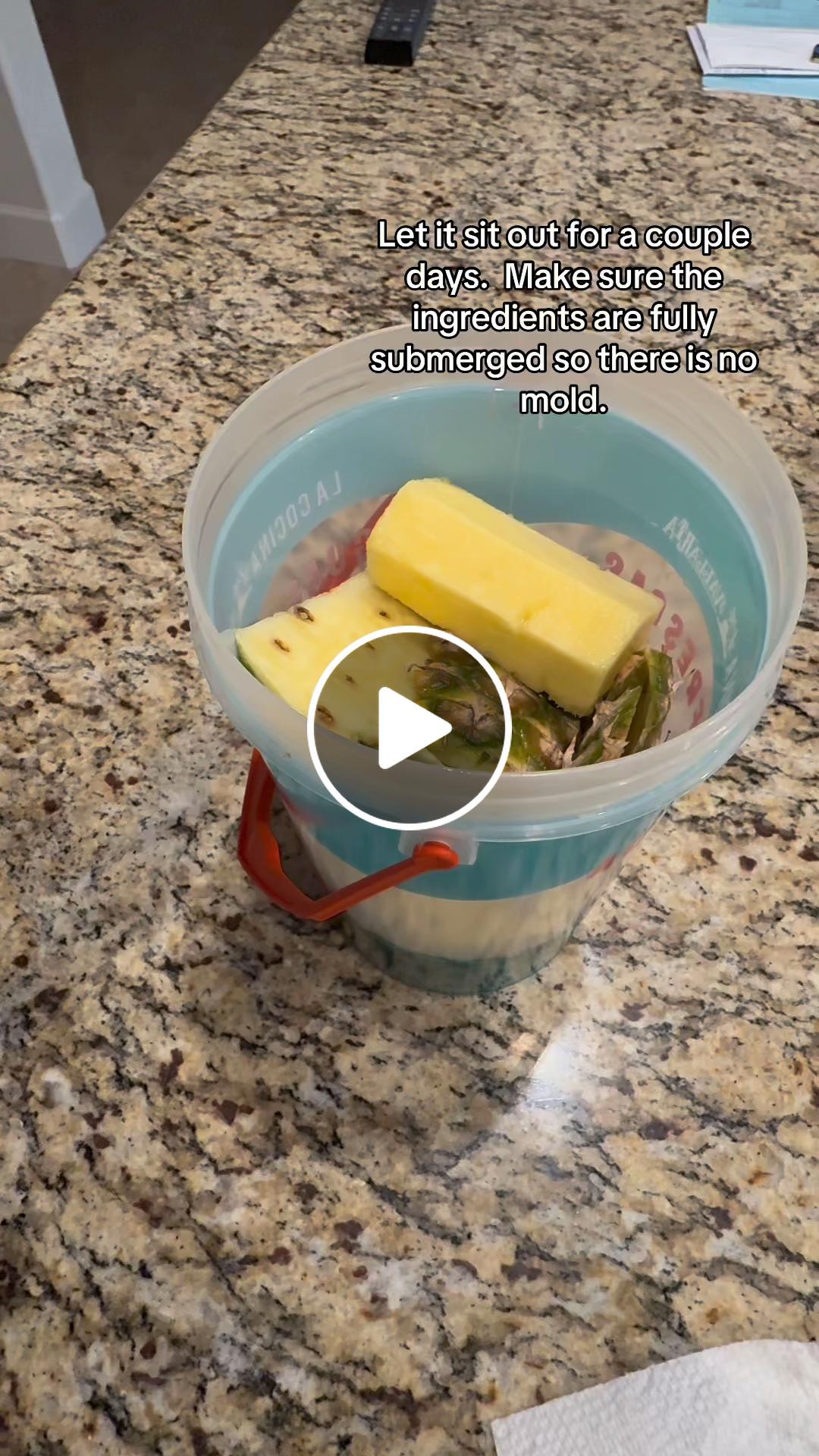
Prepare the Pineapple: Thoroughly wash your organic pineapple. Carefully peel the pineapple, ensuring you get some of the flesh attached to the peels as this adds more flavor. Chop the core into a few pieces.
2.
Combine Ingredients: Place the pineapple peels and core into your large glass jar. Add the sugar, cinnamon sticks, and ginger slices (if using).
3.
Add Water: Pour the filtered water over the ingredients, ensuring everything is submerged. Leave at least 2-3 inches of headspace at the top of the jar, as fermentation will produce foam and gas.
4.
Cover and Ferment: Cover the opening of the jar with the muslin cloth or kitchen towel and secure it with a rubber band or string. This allows air exchange while keeping fruit flies and contaminants out.
5.
Let it Work its Magic: Place the jar in a warm spot, out of direct sunlight, for 2-5 days. You'll start to see bubbles forming on the surface, and a foamy layer might appear. A pleasant, slightly vinegary, sweet aroma will develop. Taste daily after day 2; when it reaches your desired sweet-tart balance and fizziness, it’s ready.
6.
Strain and Bottle: Once fermented to your liking, strain the liquid through a fine-mesh sieve into clean bottles or jars. Discard the solids (or compost them!).
7.
Chill and Enjoy: Chill the
tepache de pina in the refrigerator. It's best enjoyed cold.
8.
Optional Secondary Fermentation (for extra fizz): For a truly sparkling drink, bottle your strained tepache in airtight, swing-top bottles, leaving an inch or two of headspace. Let it sit at room temperature for another 12-24 hours. *Be extremely careful and "burp" the bottles by briefly opening them every few hours to release pressure, especially in warmer climates, to prevent bottle explosions.* Once fizzy enough, refrigerate to slow down fermentation.
Expert Tips for Success:
*
Hygiene is Key: Always use clean equipment to prevent unwanted mold or bacteria.
*
Temperature Matters: Warmer temperatures accelerate fermentation, while cooler ones slow it down. Adjust fermentation time accordingly.
*
Trust Your Senses: The best indicator of readiness is taste and smell. If it smells off or develops mold (not just foam), discard it.
*
Don't Over-Ferment: Leaving it too long can result in a very vinegary taste and a stronger alcoholic content.
*
Storage: Once bottled and refrigerated, tepache will continue to slowly ferment, though at a much slower pace. Enjoy within 1-2 weeks for optimal freshness and flavor.
Beyond the Basic Brew: Flavor Variations and Serving Suggestions
One of the most exciting aspects of
tepache de pina is its versatility. While the traditional recipe is fantastic on its own, it serves as an excellent canvas for culinary creativity.
*
Spicy Kick: A few whole cloves or cardamom pods added during the primary fermentation can introduce a warm, exotic spice profile. A pinch of dried chilies can also add a subtle heat.
*
Citrus Zest: A squeeze of lime or orange juice after straining can brighten the flavors and add an extra layer of refreshment. You could even add citrus peels during fermentation for a more infused taste.
*
Herbal Infusions: Fresh mint leaves, basil, or even a sprig of rosemary can be added during the last day of fermentation or infused into the strained tepache for a unique aromatic twist.
*
Fruity Blends: Experiment with adding small pieces of other fruits like apples, oranges, or mango during fermentation for different flavor dimensions.
Beyond sipping it plain, tepache makes an excellent mixer. Use it as a base for low-alcohol cocktails, perhaps mixed with a splash of rum or tequila for a Mexican twist. It also works beautifully in non-alcoholic mocktails, diluted with sparkling water, or used to add a unique fizz to fruit juices. Its "funky," sweet-tart character makes it a vibrant substitute for club soda or ginger ale in many drink recipes. Experience more about its delightful taste by reading
Discover Tepache: The Fizzy, Sweet-Tart Mexican Pineapple Ferment.
Sustainability and Health: The Double Win of Tepache
Beyond its incredible taste and versatility,
tepache de pina offers significant advantages in terms of sustainability and potential health benefits. By utilizing pineapple peels and cores—parts of the fruit often discarded—it embodies a wonderful zero-waste approach to cooking. This reduces food waste, turning potential garbage into a gourmet delight.
From a health perspective, as a fermented beverage, tepache is thought to contain beneficial probiotics, which can support gut health and aid digestion. While the exact probiotic strains and their quantities can vary, the natural fermentation process generally contributes to a diverse microbiome. It also offers a lower-sugar, less alcoholic alternative to many commercial sodas and alcoholic beverages, making it a refreshing and potentially healthier choice for conscious consumers.
In conclusion,
tepache de pina is far more than just a drink; it's a testament to ingenuity, tradition, and sustainability. It transforms humble pineapple peels into a vibrant, fizzy, and deeply satisfying beverage that delights the senses and respects our planet. Whether you're a seasoned fermenter or a curious beginner, embarking on the journey of making homemade tepache is an experience that promises both delicious rewards and a deeper appreciation for the magic of fermentation. So, the next time you enjoy a pineapple, remember its peels hold the secret to a truly extraordinary drink. Give it a try, and let the peels work their delicious alchemy!