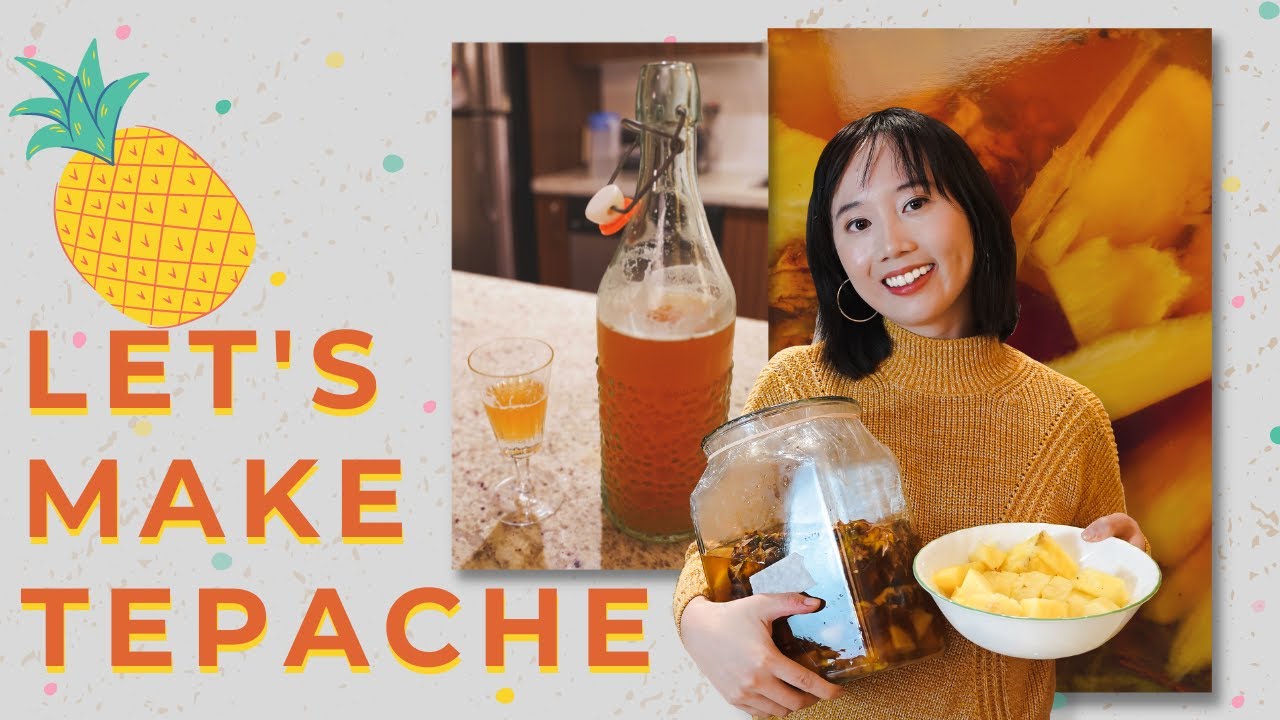
Imagine a drink that's fizzy, delightfully sweet-tart, and carries the subtle warmth of spices, all while being incredibly refreshing. Now, imagine making it from something you'd typically discard. Welcome to the world of tepache de pina, a traditional Mexican fermented pineapple drink that's not only delicious but also a fantastic way to minimize food waste. If you've ever found yourself with a pile of pineapple peels after preparing the fruit for a snack or juice, this recipe offers an exciting and flavorful solution, transforming those forgotten scraps into a vibrant, bubbly beverage.
Far from being a mere byproduct, tepache embraces the natural yeasts residing on pineapple peels, alongside sugar, water, and aromatic spices, to create a uniquely complex and invigorating ferment. It's a true culinary marvel that perfectly blends sustainability with sensational flavor, making it a must-try for any adventurous home fermenter or anyone seeking a delicious, wholesome alternative to store-bought sodas.
What Exactly is Tepache de Piña? Unveiling a Mexican Tradition
At its heart, tepache de pina is a beloved Mexican fermented pineapple drink, often likened to a crossover between a sour beer, cider, and kombucha. Its charm lies in its lightly tangy flavor profile, refreshing sparkle, and a subtle "funk" that speaks to its fermented nature. Unlike many fruit-based beverages that rely solely on the flesh, tepache ingeniously utilizes the pineapple's peel, rind, and often the core, making it an excellent example of nose-to-tail eating in the fruit world.
Historically, tepache holds deep roots in indigenous Mexican culture. Its name, derived from the Nahuatl words tepachoa (meaning "pressed or ground with a stone") and tepiātl ("drink of corn"), suggests an earlier incarnation made with corn. Over time, as pineapples became more widely available, the fruit took center stage, creating the refreshing beverage we know today. In Mexico, it’s a ubiquitous street vendor favorite, served in plastic bags with a straw or traditional clay mugs, embodying a piece of culinary heritage with every sip. Its popularity has since transcended borders, finding homes in juice bars and kitchens worldwide, thanks to simple, adaptable tepache recipes.
The fermentation process, which typically lasts a few days, yields a very mildly alcoholic drink – just enough to give it a pleasant kick without being overpowering. This makes it a versatile beverage perfect for enjoying on its own, as a mixer in cocktails, or as a vibrant base for mocktails, offering a delightful twist on conventional refreshments.
Why Make Your Own Tepache? Beyond the Delicious Taste
While the irresistible sweet-tart taste and effervescent mouthfeel are compelling reasons to brew your own tepache de pina, the benefits extend far beyond flavor. Making tepache at home offers a multitude of advantages that align with modern values of sustainability, health, and culinary exploration:
- Sustainable Sourcing & Waste Reduction: One of the most significant appeals of tepache is its eco-friendly nature. Instead of discarding pineapple peels, you transform them into a valuable resource, significantly reducing food waste. This aligns perfectly with a zero-waste kitchen philosophy, giving new life to what would otherwise be compost or trash. It's a prime example of how tepache transforms pineapple peels into a delicious drink, making the most of every part of the fruit.
- Natural Probiotics & Gut Health: As a fermented drink, tepache contains beneficial bacteria (probiotics) that can contribute to a healthy gut microbiome. While not as potent as some dedicated probiotic supplements, incorporating naturally fermented foods and drinks into your diet is a gentle and delicious way to support digestive wellness.
- Customization & Creativity: Homemade tepache is a canvas for culinary creativity. You have complete control over the sweetness level, the spice profile, and any additional flavorings. Experiment with different types of sugar, add extra spices, or even infuse it with herbs to tailor the drink exactly to your preferences.
- Economical & Accessible: Pineapples are often readily available and affordable. By using the peels, you're essentially getting a bonus beverage for very little extra cost, making tepache an incredibly budget-friendly refreshment option.
- A Unique Culinary Experience: Brewing tepache from scratch is a rewarding process that connects you to traditional food preservation methods. There's a certain magic in watching humble ingredients transform into something effervescent and flavorful through the power of natural fermentation.
Choosing Your Essential Ingredients & Equipment
Crafting delicious tepache de pina requires just a few key components, emphasizing quality for the best results:
Key Ingredients:
- Pineapple: This is the star! Opt for a ripe, organic pineapple. Organic pineapples are crucial because their peels are free from pesticides and often harbor more robust wild yeasts, which are essential for fermentation. The riper the pineapple, the sweeter your tepache will be, as more natural sugars are available. You'll primarily use the peels and core, so make sure to give the pineapple a good scrub before peeling.
- Sugar: Traditionally, piloncillo (Mexican unrefined cane sugar cones) is used for its rich, molasses-like flavor that adds depth to the tepache. However, jaggery, muscovado sugar, or even plain brown sugar or coconut sugar are excellent substitutes, lending similar caramel tones. The sugar isn't just for sweetness; it's the food source for the yeasts during fermentation. For a sugar-free alternative, some intrepid brewers experiment with sweeteners like erythritol or Swerve, though the fermentation process may vary.
- Cinnamon Stick: A whole cinnamon stick is preferred over ground cinnamon to infuse a clean, warm spice without any grittiness. It adds a comforting, aromatic note that beautifully complements the pineapple.
- Fresh Ginger: A few slices of fresh ginger provide a delightful zing and are believed by some to give the fermentation process a helpful kickstart, potentially due to its own wild yeasts and enzymes.
- Water: While tap water can often suffice, especially if it's generally good quality, filtered water is recommended to avoid any chlorine or other chemicals that might inhibit yeast activity.
Essential Equipment:
- Large Pitcher or Jar: A clean, food-grade glass jar or pitcher (at least 2-liter capacity) is ideal for fermentation. Glass allows you to observe the process.
- Muslin Cloth or Thin Kitchen Towel: This is vital for covering your fermenting vessel. It allows air circulation while keeping out fruit flies and other contaminants.
- String or Large Elastic Band: To secure the muslin cloth over the opening of your pitcher or jar.
The Simple Steps to Fermentation Success
Making tepache de pina is surprisingly straightforward, relying more on patience and observation than complex techniques. Here’s a generalized process:
- Prepare Your Pineapple: Thoroughly wash your organic pineapple. Carefully peel it, making sure to keep the peels as large as possible. You can also include the core.
- Combine Ingredients: Place the pineapple peels and core into your large pitcher or jar. Add your chosen sugar, cinnamon stick, and ginger slices.
- Add Water: Pour in enough water to completely cover all the ingredients, leaving a few inches of headspace at the top of the container. Stir gently to help dissolve the sugar.
- Cover and Ferment: Cover the opening of the pitcher with your muslin cloth or kitchen towel and secure it with string or an elastic band. This allows air to circulate but keeps pests out.
- Find the Right Spot: Place your setup in a warm spot, ideally between 20-27°C (68-80°F), away from direct sunlight. The warmth encourages yeast activity.
- Monitor and Taste: Let it ferment for 2-4 days. You should start to see small bubbles forming on the surface, indicating active fermentation. After 24-48 hours, begin tasting a small sample daily. It should become progressively sweeter, then develop a tangy, slightly sour, and fizzy character.
- Strain and Bottle: Once the tepache reaches your desired flavor profile (typically 2-4 days, but can go longer for a more pronounced tang/alcohol), strain out all the solids using a fine-mesh sieve. Discard the solids.
- Chill and Enjoy: Transfer the liquid tepache to clean bottles (swing-top bottles are great for retaining fizz) and refrigerate. Chilling slows down fermentation and enhances the refreshing qualities.
Pro Tip: If you want more fizz, you can do a "secondary fermentation" by bottling the strained tepache in airtight bottles and leaving it at room temperature for another 12-24 hours before refrigerating. Be sure to "burp" the bottles by gently opening and closing them to release excess pressure, preventing explosions.
Customizing Your Tepache: Beyond the Basics
While a classic tepache de pina is wonderful on its own, its versatility is one of its greatest strengths. Don't be afraid to experiment with add-ins to create unique flavor profiles:
- Spiced Variations: Introduce whole cloves or a few green cardamom pods during the initial fermentation for an even more complex, aromatic spice blend.
- Citrus Zest & Juice: A squeeze of lime or orange juice, or even a few strips of their zest, can brighten the flavor and add another layer of acidity.
- Herbal Infusions: Fresh mint, basil, or even a sprig of rosemary can lend an unexpected and delightful herbal note to your tepache.
- Fruit Boosts: Add other fruit scraps like apple peels or a few berries to the initial ferment for a fruity twist.
Serve your chilled tepache over ice, perhaps with a lime wedge or a fresh mint sprig. It’s perfect as a standalone thirst-quencher, a non-alcoholic cocktail base, or even as a unique addition to alcoholic drinks. The slightly funky, sweet-tart taste with notes of caramel and earthiness makes it incredibly versatile.
Unlocking the magic of fermentation to create your own tepache de pina is a rewarding journey. It's a testament to traditional ingenuity, a step towards a more sustainable kitchen, and a delightful treat for your taste buds. So, the next time you enjoy a juicy pineapple, remember that its humble peels hold the secret to a sparkling, refreshing, and truly special beverage waiting to be discovered.
