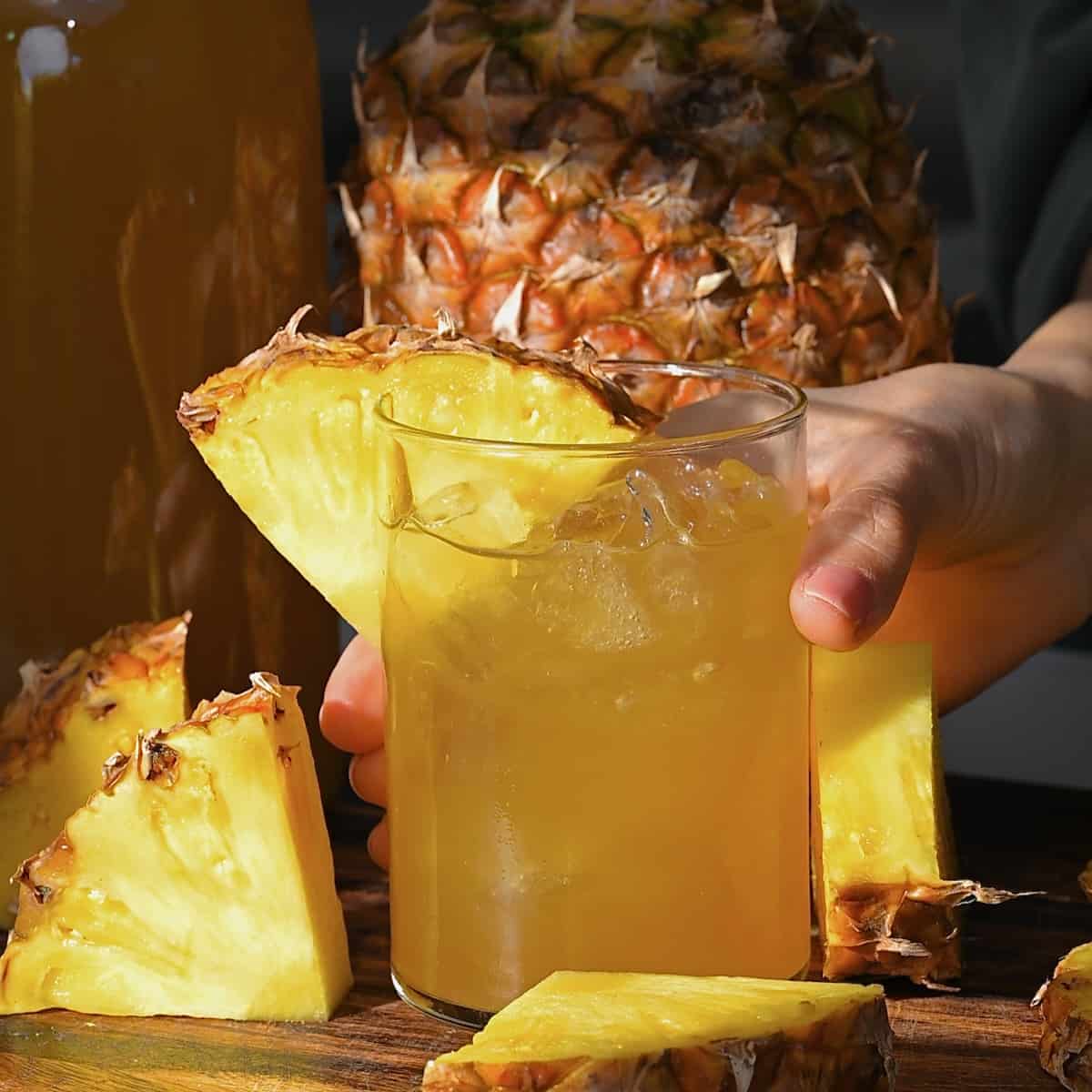
Discover Tepache: The Fizzy, Sweet-Tart Mexican Pineapple Ferment
Imagine a drink that's both effervescent and deeply flavorful, a vibrant symphony of sweet, tart, and subtly funky notes that dances on your tongue. This isn't just a dream; it's the reality of
tepache de piña, a traditional Mexican fermented pineapple drink rapidly gaining global acclaim. Often described as a delightful cross between kombucha, craft soda, and a mild beer, tepache offers a refreshing and uniquely satisfying experience that's perfect for any occasion.
Originating from the heart of Mexico, this beloved beverage is a testament to resourceful culinary traditions, turning humble pineapple peels into a sparkling elixir. Whether you're seeking a unique non-alcoholic refreshment, a base for innovative cocktails, or simply a fascinating dive into the world of home fermentation, tepache de piña promises an adventure for your taste buds and a rewarding project for your kitchen.
The Ancient Roots of Tepache: A Journey Through Mexican History
While modern
tepache de piña is synonymous with pineapples, the drink's history stretches back centuries, predating the fruit's widespread use in the recipe. Historically, tepache was an indigenous Mexican beverage, with its roots firmly planted in pre-Columbian cultures. The very name "tepache" offers a glimpse into its past, deriving from the Nahuatl words
tepachoa, meaning "pressed or ground with a stone," and
tepiātl, which translates to "drink of corn."
Indeed, the earliest forms of tepache were crafted from crushed corn, left to ferment into a mildly alcoholic concoction. This ancient drink played a significant role in daily life and ceremonial practices. As culinary traditions evolved and new ingredients became available, particularly after the arrival of pineapples in the region, the base for tepache gradually shifted. The sweet, juicy pineapple, with its naturally occurring yeasts on the skin, proved to be an ideal candidate for fermentation, eventually leading to the widespread adoption of the pineapple-based version we know and love today. This evolution showcases the dynamic nature of traditional cuisine, adapting and thriving through the ages to create enduring cultural staples.
Crafting Your Own Tepache de Piña: Ingredients and the Fermentation Magic
One of the most appealing aspects of
tepache de piña is its simplicity, requiring just a handful of readily available ingredients and a little patience. Beyond its delicious taste, making tepache at home is a wonderfully sustainable practice, transforming what might otherwise be kitchen waste into a delightful treat.
The Humble, Heroic Ingredients
The core of any great tepache lies in its components:
*
Pineapple: The Star of the Show
* Crucially, this Mexican drink leverages the *peel and core* of the pineapple, not the flesh. This makes it an incredibly resourceful zero-waste endeavor. For the best results and to ensure healthy fermentation, opt for a ripe, organic pineapple. Organic fruits naturally harbor more beneficial yeasts on their skin, which are essential for the fermentation process, and you avoid unwanted pesticides. Learning
how tepache transforms pineapple peels into a delicious drink truly highlights this sustainable benefit.
*
Sugar: The Fermentation Fuel
* Sweeteners aren't just for taste; they're vital for feeding the yeast. While traditional Mexican recipes often call for
piloncillo (unrefined cane sugar cones), other options like brown sugar, jaggery, or muscovado also work beautifully, imparting rich caramel notes. Even coconut sugar can be a good substitute. For those monitoring sugar intake, a sugar-free alternative like erythritol or Swerve can be used, though this will alter the fermentation dynamics and final flavor profile.
*
Spices: Aromatic Depth
* A whole cinnamon stick is a classic addition, infusing warmth and depth without the grittiness of powdered cinnamon.
* Fresh ginger adds a lively "zing" and can also help boost the fermentation process, contributing to a more robust flavor.
*
Water: The Foundation
* While filtered water is often preferred for purity, regular tap water (especially in areas with good water quality) can also be used. The important thing is to ensure it's not heavily chlorinated, as chlorine can inhibit beneficial microbes.
*
Essential Equipment: A large pitcher or glass jar, a breathable cover like muslin cloth or a thin kitchen towel, and a string or large elastic band to secure it.
The Fermentation Process: A Gentle Transformation
Making
tepache de piña involves a simple, yet fascinating, lacto-fermentation process. Once the pineapple peels, sugar, spices, and water are combined, naturally occurring wild yeasts present on the pineapple skin begin to consume the sugar. This metabolic activity produces carbon dioxide (resulting in the drink's characteristic fizz) and a very mild amount of alcohol.
The mixture is typically left to ferment at room temperature for several days, usually between 2 to 5 days, depending on the ambient temperature and desired level of funk and acidity. During this time, the liquid transforms from simple sugary water into a complex, sparkling beverage with a unique sweet-tart profile. You'll notice bubbles forming, a slight cloudiness, and a distinct aroma that hints at its fermented nature – often described as earthy, musky, and subtly vinegary, similar to a mild sour beer or cider.
Patience is key during fermentation. It's more of an art than a strict science, where observation is your best tool. You can find detailed steps and practical advice on
how to unlock fermentation to make tepache from pineapple peels and spices, guiding you through this rewarding journey from scratch.
Beyond the Basics: Flavor Variations and Serving Suggestions
While the traditional
tepache de piña recipe is a masterpiece in itself, its versatility allows for endless customization, letting you tailor the flavor profile to your personal preferences.
Customizing Your Tepache
The beauty of tepache lies in its adaptability. Don't be afraid to experiment with additional ingredients to create your signature brew:
*
Spices: Beyond cinnamon, consider adding a few whole cloves or cardamom pods for an extra layer of warm, aromatic complexity. A star anise can also lend a subtle licorice note.
*
Citrus: A squeeze of fresh orange or lime juice added during the initial fermentation or just before serving can brighten the flavor and enhance the tartness. The zest can also be included for a more intense citrus aroma.
*
Herbs: Fresh mint or basil leaves can introduce a refreshing, herbaceous counterpoint to the pineapple's sweetness.
*
Other Fruits: While pineapple is classic, some adventurous fermenters experiment with adding peels from other fruits like mango or apples, or even a handful of berries for different fruit notes.
*
Heat: For those who enjoy a kick, a slice of jalapeño or serrano pepper can infuse your tepache with a subtle, spicy warmth.
Remember to start small with any additions, as their flavors can intensify during fermentation.
Enjoying Your Homemade Brew
Once strained and chilled, your homemade
tepache de piña is ready to be savored. It’s incredibly versatile and can be enjoyed in numerous ways:
*
Straight Up: Served cold over ice, tepache is an incredibly refreshing drink on its own, perfect for warm days or as a vibrant alternative to store-bought sodas.
*
Tepache Cocktails: Its complex sweet-tart profile makes it an excellent mixer. Use it as a base for unique cocktails, pairing it with tequila, mezcal, rum, or even gin. Imagine a tepache margarita or a tepache-infused mojito!
*
Mocktails & Sodas: For a completely non-alcoholic (or very low-alcohol) option, blend it with sparkling water, a squeeze of lime, and a sprig of mint for an invigorating mocktail.
*
Mexican Street Food Style: In Mexico, it's commonly sold by street vendors in plastic bags with a straw or in traditional clay mugs, often with a sprinkle of chili powder on the rim for an authentic kick.
Why Tepache is More Than Just a Drink
Tepache de piña is more than just a delicious beverage; it embodies several compelling aspects that make it a truly special creation.
Firstly, its inherent
sustainability is a huge draw. By utilizing pineapple peels and cores – parts often discarded – tepache production minimizes food waste, making it an eco-conscious choice for the modern kitchen. This resourceful approach aligns perfectly with a growing global movement towards zero-waste living.
Secondly, as a fermented food, tepache carries the potential for
health benefits. While not a probiotic supplement, fermented drinks are known to contain beneficial bacteria that can contribute to gut health. Its natural fizz also makes it a healthier alternative to sugary sodas, offering complex flavors without excessive artificial ingredients.
Culturally,
tepache de piña serves as a flavorful link to Mexico's rich culinary heritage. It’s a testament to ancient traditions of fermentation and a vibrant symbol of ingenuity. Its widespread popularity, from bustling Mexican street corners to contemporary juice bars and home kitchens worldwide, speaks volumes about its universal appeal. The unique interplay of sweet, tart, earthy, and fizzy notes sets it apart from other fermented beverages like kombucha or kefir, offering a distinctly tropical and refreshing experience.
Conclusion
From its ancient origins as a corn-based brew to its modern incarnation as a fizzy, sweet-tart pineapple delight,
tepache de piña offers a fascinating journey through culinary history and flavor. It’s a testament to the power of fermentation, transforming simple ingredients into a complex, refreshing, and surprisingly versatile drink. Whether you're drawn to its sustainable nature, its unique taste, or the simple joy of creating something delicious from scratch, diving into the world of homemade tepache is an incredibly rewarding experience. So, next time you enjoy a pineapple, don't discard those precious peels – let them embark on a flavorful transformation into your very own bottle of vibrant, effervescent
tepache de piña.